Cactus: A Distinctive Font for Modern Design
Understanding the Cactus Font
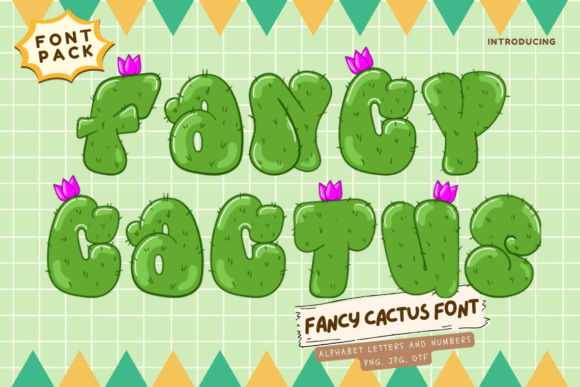
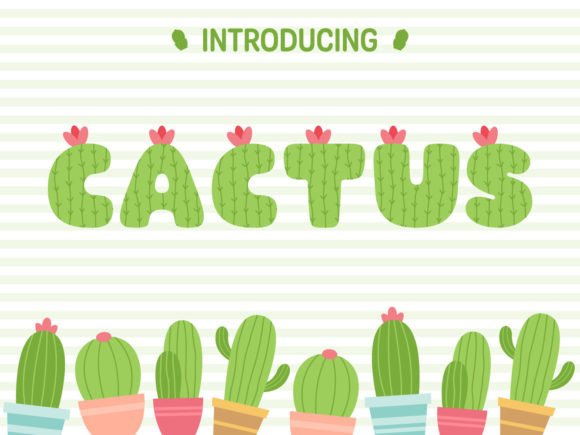
Cactus is a color font, a modern typography format that embeds full-color vector graphics, gradients, and textures directly into the glyph. Unlike traditional single-color typefaces, a color font like Cactus arrives with its own inherent visual style—in this case, a vibrant green hue with a distinctive, often organic or textured appearance. This transforms typography from a mere carrier of words into a central visual element of your design. Its unique character makes it an excellent tool for creating immediate visual hierarchy and a memorable brand identity.
Why It Matters in Graphic Design
In an era of fast-scrolling and visual saturation, capturing attention quickly is paramount. Cactus excels in this role. Its inherent color and texture allow it to function as both a typographic element and a design motif, saving time in post-processing and enabling bolder, more cohesive compositions. For graphic design professionals, this means faster workflows and more dynamic outcomes. It supports modern aesthetics that value expressiveness and personality, helping to break the monotony of standard system fonts and generic design templates.
Practical Applications for Creative Projects
The true value of a design asset lies in its application. Cactus’s bold personality makes it suitable for a range of projects where making a statement is key. Consider its use in the following areas:
- Branding and Logo Design: Use it for logotypes or taglines in industries like outdoor apparel, eco-friendly products, or creative agencies to convey a fresh, organic, or adventurous vibe.
- Social Media Graphics: Create instantly eye-catching headlines for posts, stories, or ads that need to stand out in a fast-paced feed.
- Marketing Materials: Apply it to posters, flyers, and digital ads to draw the eye to key messages or calls to action.
- Packaging Design: Ideal for product names or highlights on packaging for food, cosmetics, or lifestyle goods, adding a touch of artisanal or natural quality.
- Website and UI Design: Use sparingly for hero section headlines or feature callouts to inject personality without compromising overall usability and readability.
- Editorial Layouts: Create striking pull quotes or section headers in magazines, blogs, or digital publications.
- Presentations and Digital Products: Make slide decks, e-books, or online course materials more engaging and visually distinct.
Tips for Effective Implementation
Integrating a distinctive font like Cactus requires a thoughtful approach to maintain visual harmony and professional presentation. Keep these factors in mind:
- Balance is Key: Pair Cactus with clean, neutral sans-serif or serif fonts for body text. This creates a clear visual hierarchy and ensures readability, allowing Cactus to serve as a accent rather than a distraction.
- Context and Audience: Ensure its style aligns with your brand voice and target audience. It may not suit formal corporate contexts but excels in creative, youthful, or niche markets.
- Scalability and Testing: Always test the font at various sizes to ensure its details remain clear and legible, especially for smaller applications like UI buttons or fine print.
- Color Palette Integration: While the font has a fixed color, ensure the surrounding design palette complements it. Use the green as an accent color elsewhere in the design for cohesion.
- Strategic Use: Avoid overuse. Reserve it for key elements where maximum impact is desired to prevent visual clutter and maintain its special effect.
Ultimately, the strength of any design—whether for branding, digital marketing, or print—lies in the intentional selection and combination of its visual elements. Typography, color, and composition must work in concert to communicate effectively and create a polished result. Incorporating a high-quality, unique creative asset like a color font can provide that crucial spark of inspiration and differentiation. By making thoughtful choices that align with project goals and audience expectations, designers can elevate their work, ensuring it is not only seen but also remembered and felt.