Chocolate-Inspired Design: Sweetening Your Visual Communication
In the rich palette of graphic design, certain visual concepts carry an immediate, sensory appeal. One such concept is "Chocolate," a design theme that evokes warmth, indulgence, and artisanal quality, making it a powerful tool for creating memorable brand experiences. This approach goes beyond a simple color; it's a holistic style that can transform a project's mood and marketability.
At its core, the Chocolate design aesthetic leverages deep, rich browns, creamy beiges, and luxurious accents like gold or burgundy. It often incorporates textures reminiscent of cocoa, swirls, or elegant packaging. This theme matters in modern graphic design because it taps into universal feelings of comfort and premium quality, making it exceptionally versatile for brands that want to convey trust, sophistication, or a handcrafted feel.
Practical Applications Across Creative Projects
The true strength of a Chocolate-inspired theme lies in its adaptability. It can elevate a wide range of visual materials, ensuring your message is not only seen but felt.
Building a Strong Brand Identity
For branding and logo design, a Chocolate palette instantly communicates a specific personality. A café, bakery, boutique hotel, or luxury skincare line can use these tones to establish an identity that feels established and high-end. The key is in the execution—pairing a rich chocolate brown with a complementary color in your color palette creates a visual hierarchy that is both elegant and clear.
Enhancing Marketing and Digital Presence
From marketing materials to social media graphics, this theme provides a cohesive backdrop. Imagine a product launch announcement with a textured chocolate background, making the featured item pop. In web design and UI design, these colors can create a welcoming, intuitive user experience that encourages visitors to stay and explore, improving engagement metrics.
Specialized Design Disciplines
The applications extend into specialized fields:
- Packaging Design: Essential for gourmet goods, cosmetics, and any product aiming for a shelf presence that suggests quality and taste.
- Editorial Design: Cookbooks, lifestyle magazines, and corporate reports can use Chocolate tones to add depth and sophistication to layouts.
- Presentations & Merchandise: Transform a standard slide deck into a professional presentation or design elegant merchandise that people genuinely want to use.
Integrating Typography for Maximum Impact
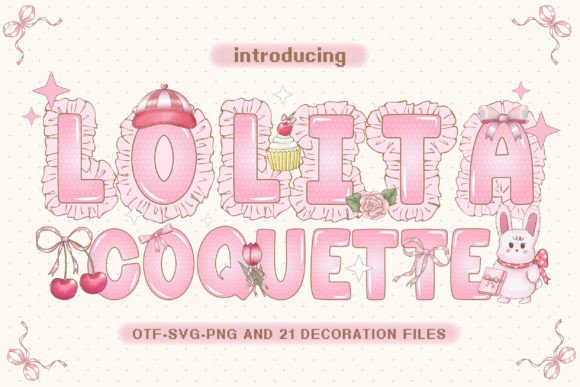
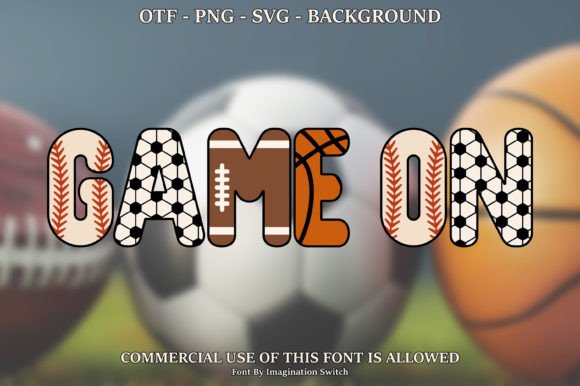
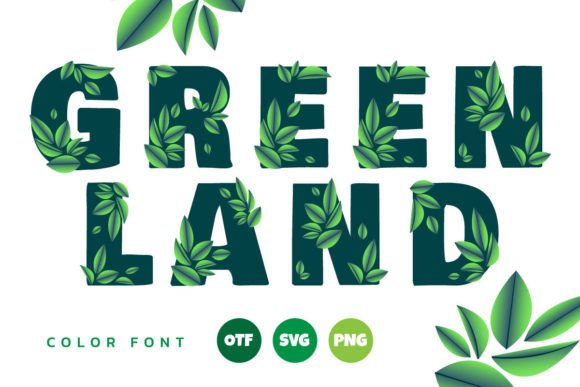
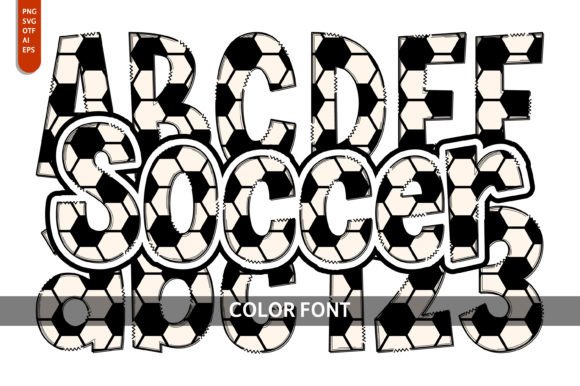
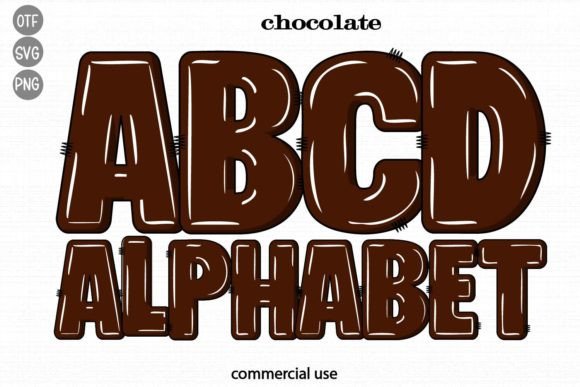
A Chocolate design theme is often complemented by specific typography choices. Fonts that are often used in designs aiming to convey a playful or artistic feel, such as children’s books, posters, invitations, greeting cards, and more, can find surprising harmony here. For instance, children’s books often utilize fonts that are whimsical, colorful, and easy to read, creating an engaging reading experience for young audiences. When applying this to a Chocolate theme, a designer might select a clean, modern sans-serif for body text to ensure readability, while using a more expressive, perhaps slightly whimsical serif for headlines to add character. This balance is crucial for maintaining a professional presentation while injecting personality.
Tips for Effective Implementation
To successfully incorporate this aesthetic into your design workflow, consider these factors:
- Consistency is Key: Ensure your Chocolate tones are used consistently across all touchpoints to strengthen brand identity.
- Test for Readability: Always check color contrast, especially for text on dark backgrounds, to meet accessibility standards in UX design.
- Scale with Purpose: Use the richest tones for accents and focal points, and lighter creams for larger areas to avoid visual heaviness.
- Know Your Audience: This aesthetic resonates powerfully with certain demographics. Align your design goals with audience expectations for maximum visual impact.
Ultimately, embracing a Chocolate-inspired theme is about making a deliberate choice to enhance your visual communication. It demonstrates an understanding of how color, texture, and typography work together to evoke specific emotions and associations. By thoughtfully selecting and applying these creative assets, designers and business owners can craft experiences that are not only aesthetically pleasing but also strategically effective, leaving a lasting, positive impression on their audience.