Green Land: A Font for Nature-Inspired Design
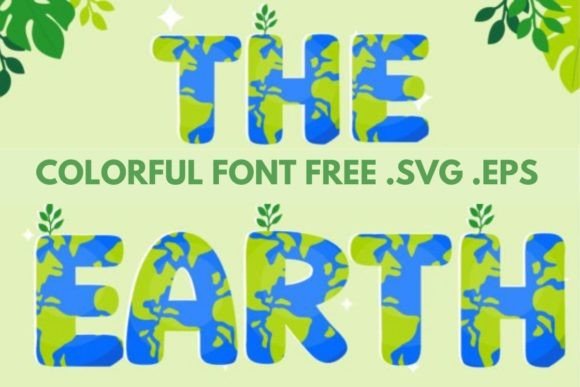
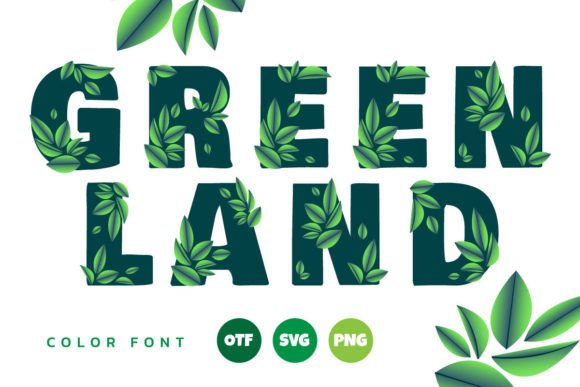
In the crowded digital landscape, a single color can stop a scroll and evoke an entire world. This is the power of Green Land, a captivating color font that translates the essence of lush landscapes and verdant environments into every letterform. Its deep, organic hue does more than simply display text; it communicates freshness, vitality, and a profound connection to the natural world. For designers and creators seeking to inject tranquility and authentic beauty into their work, this font offers a direct path to powerful, nature-themed visual communication.
Understanding the Visual Impact of a Color Font
Unlike traditional fonts that are monochromatic, a color font like Green Land carries its own inherent palette. This characteristic is a significant asset in modern graphic design, as it streamlines the design workflow and ensures color consistency. The deep green is carefully crafted to evoke specific emotions—growth, health, and sustainability—making it a strategic tool for brands and projects aligned with these values. When you choose Green Land, you are not just selecting a typeface; you are embedding a specific mood and message directly into your typography.
Practical Applications Across Creative Projects
The versatility of a thematic font like Green Land allows it to shine across numerous design disciplines. Its application can elevate a project from merely functional to memorably expressive.
- Branding and Logo Design: Establish an immediate connection to nature for eco-friendly brands, organic food companies, wellness retreats, or sustainable startups. A logo set in Green Land becomes a recognizable emblem of environmental consciousness.
- Marketing Materials: Create brochures, flyers, and posters for environmental campaigns, botanical gardens, or outdoor adventure services. The font ensures your key messages are delivered with the right aesthetic tone.
- Social Media & Digital Content: Design vibrant, eye-catching graphics for Instagram, Pinterest, or Facebook that stand out in a fast-paced feed. It is perfect for announcements, quotes, and promotional posts related to sustainability, gardening, or nature tourism.
- Web and UI Design: Use it strategically for headlines, banners, or call-to-action buttons on websites focused on eco-tourism, plant-based products, or environmental advocacy. It adds a unique visual hierarchy that guides the user’s eye.
- Packaging Design: Differentiate products on the shelf for items like herbal teas, natural cosmetics, or artisanal foods. The font communicates quality and an earth-friendly ethos before the customer even reads the ingredient list.
- Editorial and Presentation Design: Enhance the visual appeal of magazine layouts, reports, or keynote presentations on topics like climate change, agriculture, or green technology, making complex information more engaging.
Tips for Effective Implementation
Integrating a distinctive font like Green Land requires thoughtful consideration to maximize its impact and maintain design integrity.
- Prioritize Readability: While beautiful, ornate or thick color fonts are often best used for headlines, logos, or short bursts of text. Pair it with a clean, neutral sans-serif or serif font for body copy to ensure clarity and a balanced visual hierarchy.
- Consider the Color Palette: Build a complementary color scheme around the font’s green. Earthy tones like browns, tans, and warm whites can enhance its natural feel, while crisp whites and light grays can create a modern, clean contrast.
- Evaluate Scalability: Test how the font renders at different sizes, from a large website banner to a small social media icon. Ensure the details remain sharp and the color integrity holds across various formats.
- Align with Audience Expectations: Ensure the font’s personality matches your target audience and project goals. It is ideal for brands that want to appear approachable, vibrant, and connected to nature, but may not suit formal corporate or minimalist tech contexts.
- Maintain Brand Consistency: If used as part of a brand identity system, document its proper usage. Define which elements it should be applied to (e.g., primary headlines, logo lockups) and which it should not to create a cohesive and professional brand experience.
Ultimately, the choice of typography is a fundamental design decision that shapes perception and enhances communication. A resource like Green Land demonstrates how a carefully selected typeface can do more than just convey words—it can tell a story, establish an identity, and create an immersive visual experience. By thoughtfully integrating such creative assets into your design workflow, you elevate both the aesthetic quality and the emotional resonance of your projects, ensuring your message is not only seen but truly felt.