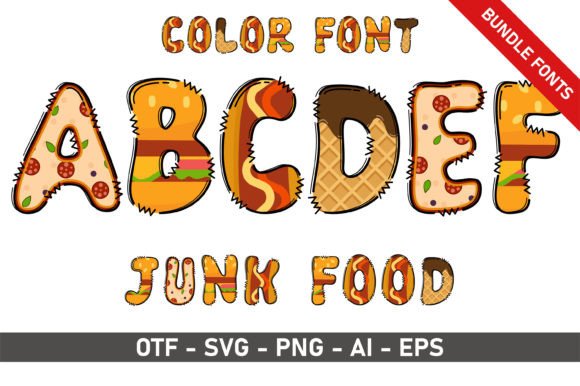
Junk Food Bundle: Vibrant Typography for Playful Designs
When a design project calls for a burst of energy and a dash of whimsy, the right typographic choice can make all the difference. The Junk Food Bundle is a prime example of a creative asset designed to inject that playful, artistic feel directly into your work. This collection is more than just a set of letters; it's a visual tool crafted for specific contexts where engagement and personality are paramount. Understanding how to leverage such assets is key to modern graphic design, allowing you to communicate more effectively and create memorable visual experiences.
The Role of Playful Typography in Visual Communication
Typography is a cornerstone of brand identity and visual hierarchy. While clean sans-serifs and classic serifs have their place, fonts with a distinct character—like those found in the Junk Food Bundle—serve a critical function. They are engineered to evoke emotion, attract attention, and guide the viewer's eye in a specific way. These designs often feature rounded edges, dynamic shapes, and a sense of movement, making them ideal for audiences that respond to warmth and creativity. This approach is fundamental in editorial design for children's literature, where readability and visual engagement must work in harmony, or in packaging design for brands that want to project a fun, approachable identity.
Practical Applications for Maximum Impact
Integrating a versatile creative asset like the Junk Food Bundle into your design workflow can elevate numerous projects. Its utility spans across various formats, helping to maintain a cohesive yet dynamic brand voice.
- Branding and Logo Design: Create distinctive wordmarks or logos for cafés, bakeries, toy brands, or any business targeting a youthful or family-oriented market.
- Marketing and Social Media Graphics: Design eye-catching headers, promotional banners, and Instagram stories that stand out in a crowded feed, improving user engagement and click-through rates.
- Packaging and Merchandise: Apply the font to product labels, stickers, apparel, and accessories to create a tangible, branded experience that delights customers.
- Website and UI Elements: Use for hero sections, call-to-action buttons, or navigation menus on sites aiming for a modern aesthetic that prioritizes personality and user experience (UX).
- Editorial and Digital Products: Enhance e-books, online course materials, or magazine layouts with headings that capture attention and set a creative tone.
Choosing and Using Design Assets Effectively
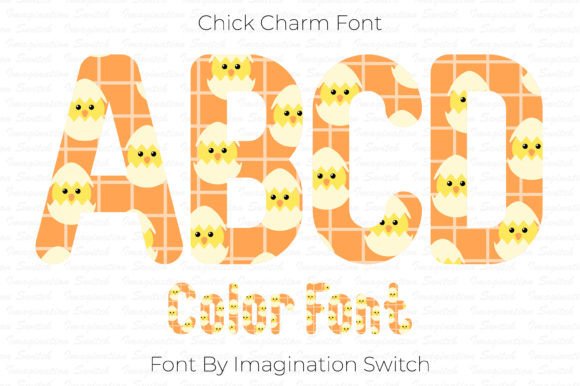
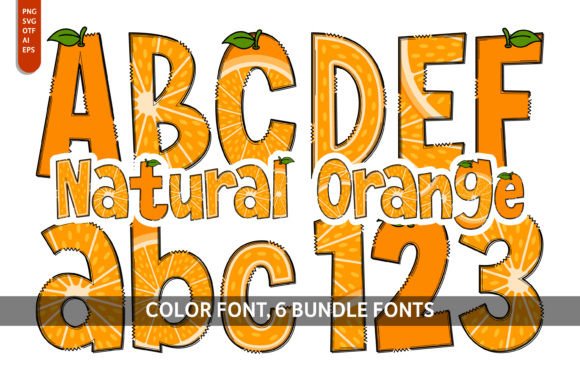
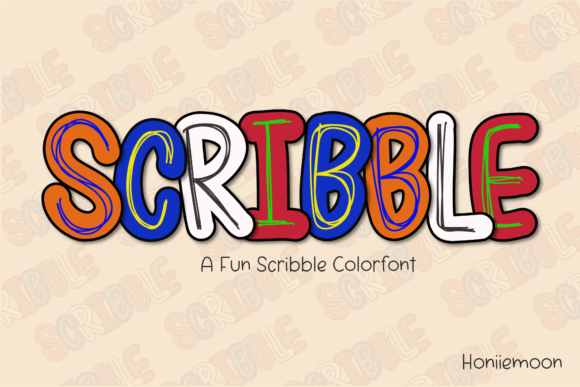
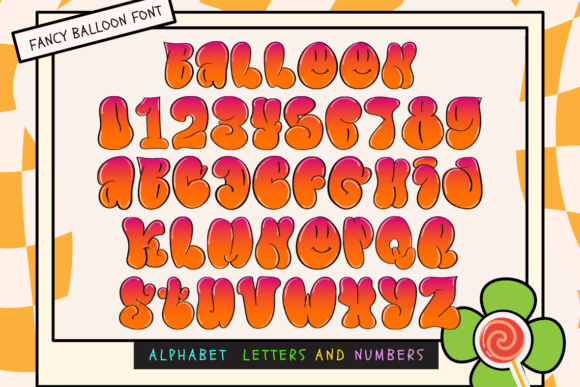
Not all creative assets are created equal, and their effective use requires thoughtful consideration. When evaluating a resource like the Junk Food Bundle, consider its alignment with your project's goals and technical requirements. A key factor is compatibility; for instance, the black version of this font works seamlessly with cutting machines like Cricut, making it perfect for DIY projects and physical merchandise. However, the color version is designed for advanced graphic design software such as Adobe Photoshop and Illustrator, offering vibrant possibilities for digital-focused work. Always verify file formats and platform compatibility to ensure a smooth design workflow.
Beyond technical specs, think about visual hierarchy and audience expectations. A playful font is a powerful accent, but overuse can dilute its impact or harm readability. Use it strategically for headlines, subheadings, or key phrases where its personality can shine, and pair it with a more neutral font for body text to maintain clarity. This balance ensures your design is both engaging and professional, enhancing communication rather than hindering it.
Ultimately, the value of a curated creative asset lies in its ability to solve design problems and inspire new possibilities. By thoughtfully integrating high-quality typography, color palettes, and compositional elements, designers and creators can build stronger brand identities, produce more compelling content, and deliver polished, professional presentations that resonate with their intended audience. The right tools don't just make things look better; they make the entire creative process more efficient and effective.