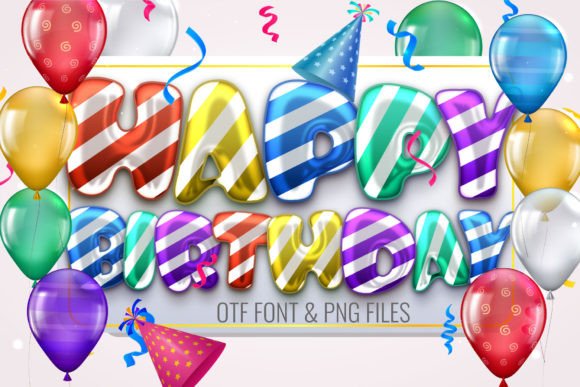
Springtime: A Color Font for Fresh, Playful Design
Imagine a typeface that doesn't just spell out words, but blooms with the vibrant energy of a garden in full flower. This is the promise of the Springtime color font, a creative asset designed to inject immediate joy and freshness into any visual project. For graphic designers and creators seeking to break free from monochromatic text, this font offers a direct path to more engaging, emotionally resonant communication.
Understanding the Power of Color Fonts
Unlike traditional typefaces that rely on a single fill color, color fonts like Springtime contain embedded color information, gradients, and even texture within the glyph itself. This represents a significant evolution in typography, moving from purely functional text to integrated visual art. The Springtime font embodies this shift, featuring soft pastel tones and whimsical letterforms that capture the essence of the season. Its lively design makes it a potent tool for projects aiming to convey freshness, optimism, and playful sophistication.
Practical Applications Across Design Disciplines
The true value of a specialized asset like Springtime lies in its versatility. Its inherent character can elevate a wide range of creative projects, providing a consistent and memorable visual hook. Consider its impact in these key areas:
- Branding and Logo Design: Use Springtime for logos, brand marks, or taglines where a friendly, approachable, and vibrant personality is paramount. It can instantly define a brand's voice for lifestyle, beauty, children's, or artisanal products.
- Marketing and Social Media Graphics: Create scroll-stopping headlines for digital ads, email campaigns, and social media posts. The font's built-in color and energy reduce the need for complex background designs, streamlining the creation of impactful graphics.
- Packaging and Print Design: Apply it to product labels, greeting cards, invitation suites, and editorial layouts. In packaging design, it can communicate the product's natural or joyful qualities at a glance, strengthening shelf appeal.
- Web and UI Design: Strategically use Springtime for hero section titles, call-to-action buttons, or celebratory messages in user interfaces. It can enhance user experience by adding moments of delight and guiding visual hierarchy effectively.
Strategic Integration for Professional Results
Integrating a color font successfully requires thoughtful consideration to maintain design integrity and readability. Here are essential tips for using Springtime effectively:
- Establish Visual Hierarchy: Use Springtime for headlines, subheadings, or key phrases where maximum impact is needed. Pair it with a clean, neutral sans-serif or serif font for body copy to ensure readability and create a balanced composition.
- Consider Context and Audience: While versatile, the font's playful nature may not suit all contexts. It excels in consumer-facing, creative, or lifestyle sectors but might be less appropriate for highly formal or corporate legal documents.
- Test for Scalability and Medium: Always preview the font at various sizes and on different screens or print proofs. Ensure the pastel details remain clear and don't become muddy or lost, especially in smaller applications.
- Align with Brand Color Palette: Even though the font has its own colors, the surrounding design palette should complement it. Pull out one or two of the font's pastel hues for use in other design elements to create a cohesive and professional brand identity.
Ultimately, choosing a design asset like the Springtime color font is about more than aesthetic preference; it's a strategic decision in visual communication. By thoughtfully selecting typography that aligns with your message and audience, you can dramatically improve the clarity, emotion, and memorability of your work. Quality creative assets do the heavy lifting of conveying tone and personality, allowing designers to craft polished, effective visuals that resonate deeply and achieve their communication goals.