Unlock Vibrant Creativity with the Rainbow Shadow Font
In the ever-evolving landscape of graphic design, the right typography can be the catalyst that transforms a good project into a memorable one. The Rainbow Shadow font emerges as a quintessential tool for designers seeking to inject immediate energy and visual intrigue into their work. This color font is not merely a set of characters; it is a dynamic design asset that blends vibrant tones with playful shapes, offering a unique twist that can elevate any creative endeavor from mundane to magnificent.
The Anatomy of a Standout Color Font
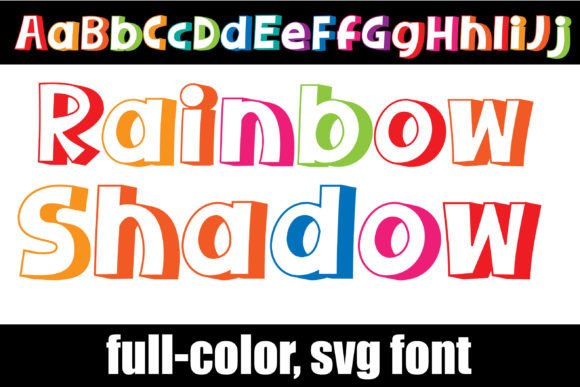
Rainbow Shadow distinguishes itself through its inherent visual complexity. Unlike traditional monochrome typefaces, it arrives pre-loaded with a rich, multicolor palette and a distinctive shadow effect that creates a sense of depth and dimension. This characteristic makes it exceptionally powerful for applications where the primary goal is to capture attention instantly. The font’s design is inherently cheerful and modern, aligning perfectly with contemporary design trends that favor bold, expressive, and joyful aesthetics. Its PUA encoding is a critical technical feature, ensuring that every glyph, swash, and stylistic alternate is fully accessible, granting designers complete creative freedom without technical barriers.
Strategic Applications in Visual Communication
Understanding where and how to deploy such a distinctive asset is key to its effectiveness. Rainbow Shadow excels in contexts where the brand or project personality is vibrant, youthful, innovative, or playful. Its impact is most pronounced when used strategically to guide the viewer's eye and establish a clear visual hierarchy.
Consider its role across various design disciplines:
- Brand Identity & Logo Design: A logo set in Rainbow Shadow can become an instant focal point, ideal for brands in entertainment, lifestyle, children's products, or tech startups aiming for a friendly, approachable image. It communicates innovation and fun at first glance.
- Digital Marketing & Social Media: In the fast-scrolling environment of social media, this font makes headlines, quotes, and call-to-action phrases impossible to ignore. It is perfect for creating eye-catching Instagram stories, YouTube thumbnails, or promotional banners that drive engagement.
- Packaging & Editorial Design: On physical packaging, it can create a memorable shelf presence. In editorial layouts, such as magazine headlines or event posters, it adds a burst of energy and sets a dynamic tone for the content that follows.
- Web & UI Design: While not suited for body text, it can be used sparingly for hero sections, button text, or feature highlights on websites and apps to create moments of delight and draw user attention to key interactions.
Principles for Effective Implementation
Integrating a powerful font like Rainbow Shadow requires a thoughtful approach to maintain design integrity and ensure clear communication. The goal is to harness its energy without overwhelming the overall composition.
First, prioritize contrast and readability. Pair Rainbow Shadow with a clean, neutral sans-serif or serif font for body text. This creates a necessary visual hierarchy, allowing the colorful font to headline without sacrificing the legibility of supporting information. Second, consider scalability and context. Test the font at various sizes to ensure its intricate details remain clear, especially in digital formats. Its vibrant nature is best suited for larger display sizes where its full character can be appreciated. Finally, ensure color harmony. While the font has its own palette, the surrounding design elements should complement rather than clash with its tones. Use the font’s colors as a springboard to develop a cohesive color palette for the entire project.
The selection of any creative asset should be a deliberate choice that aligns with project goals and audience expectations. A resource like Rainbow Shadow is a powerful instrument in a designer's toolkit, capable of infusing projects with personality and visual impact. By applying it with strategic consideration—balancing its exuberance with principles of clarity, consistency, and thoughtful composition—designers, marketers, and creators can significantly enhance both the aesthetic appeal and communicative power of their work, ultimately creating more engaging and effective visual experiences.